Nearby walks, temples and the Bamboo Forest Path
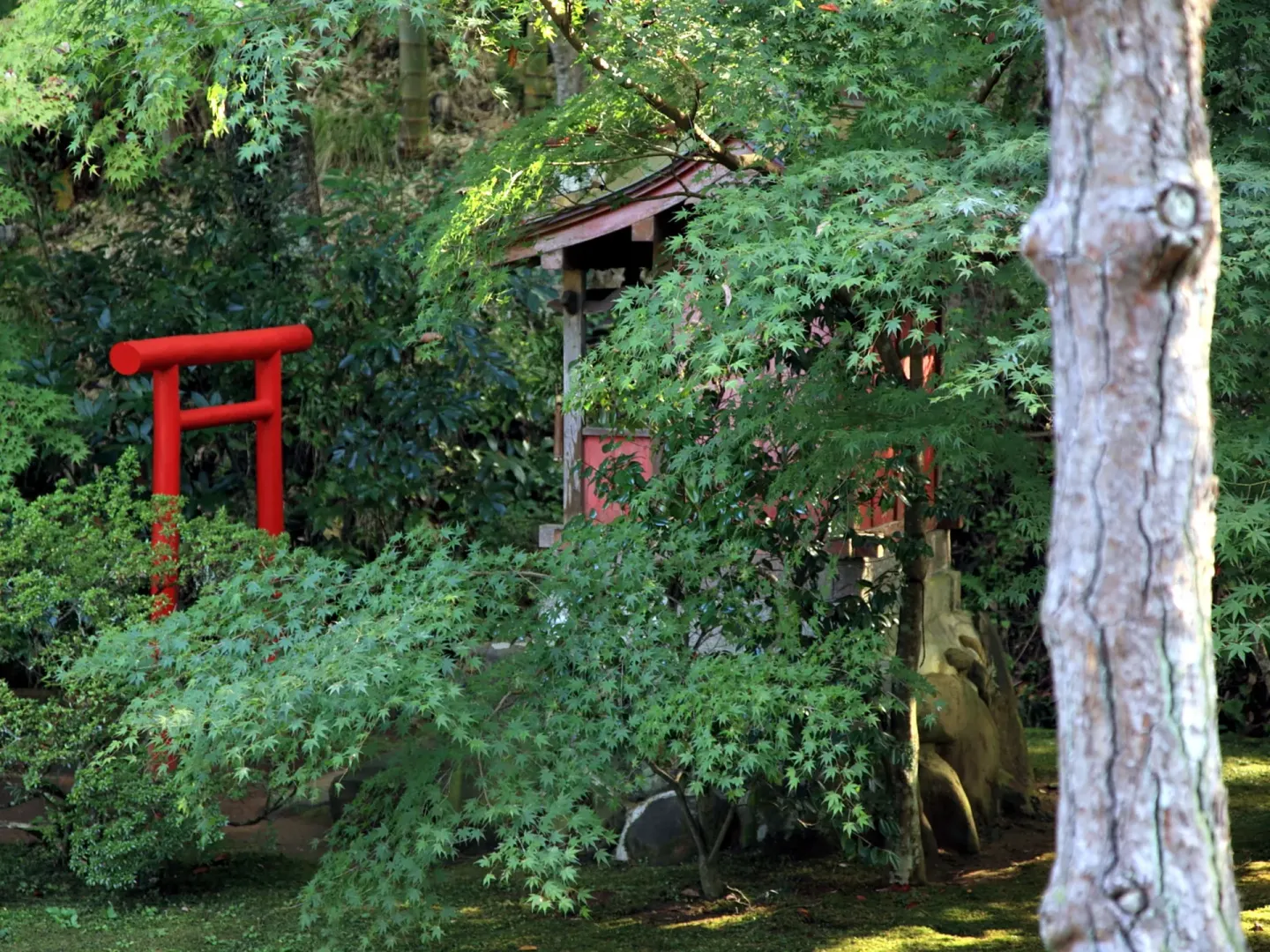
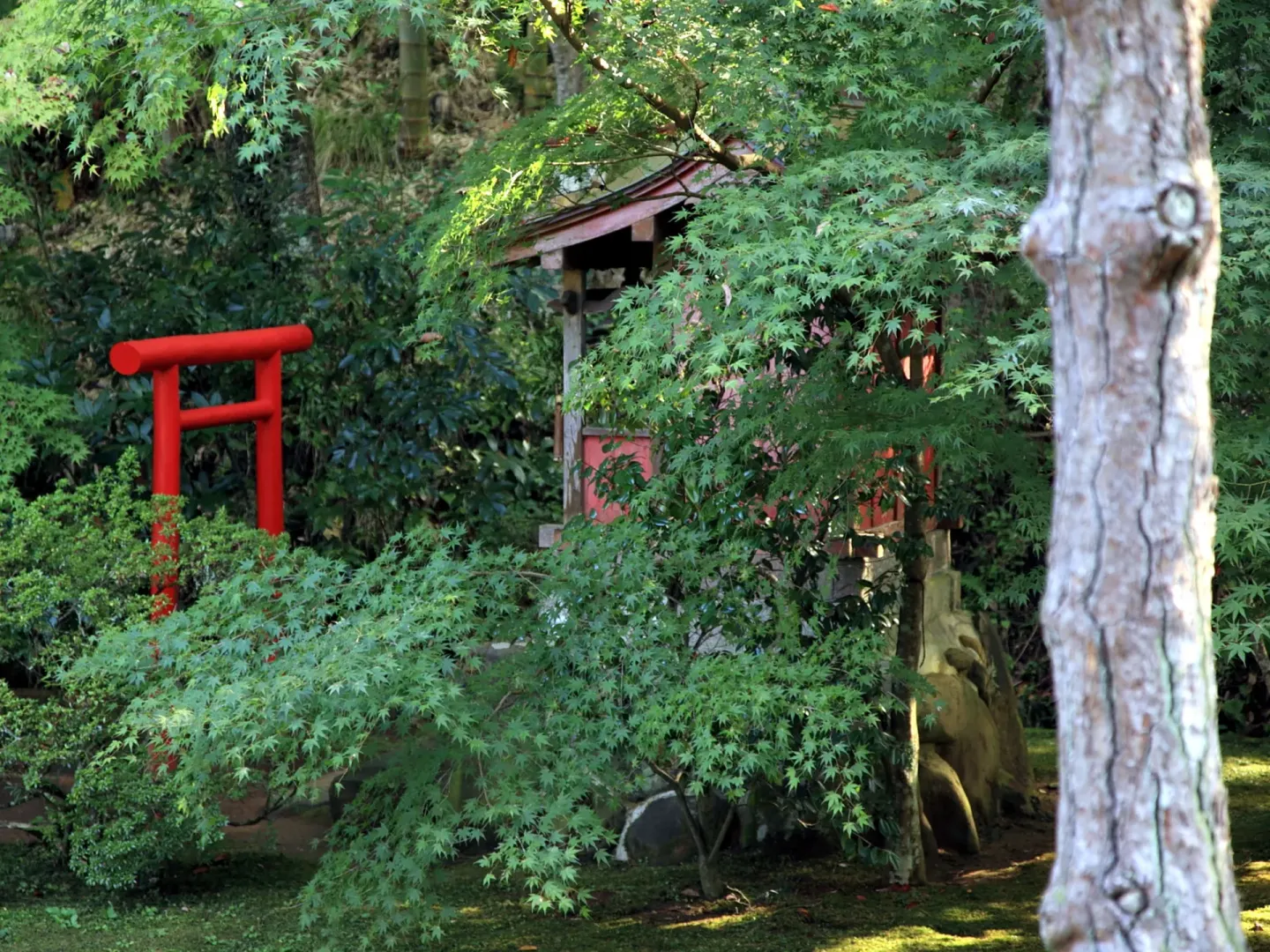
Asaba sits beside the Katsura River within easy walking distance of Shuzenji Temple, Hie Shrine, Katsura Bridge and the short Bamboo Forest Path. Most of these sights are 5 minutes on foot from the ryokan and can be combined into a 30–90 minute circuit of historic streets, bridges and gardens.
In this guide
Nearby walking loop: what to expect
From Asaba you can make a compact walking loop that links the Bamboo Forest Path, the town’s small bridges and Shuzenji Temple. The route is mainly paved and follows the Katsura River through the older part of Shuzenji.
This area is a mix of temple grounds, small shops and narrow lanes; plan for 30–90 minutes depending on how often you stop for photos, tea or shrine visits.
- Typical loop time: 30–90 minutes (self-paced)
- Terrain: paved streets, short stair sections at temple approaches
- Best for: short walks, photography, light sightseeing
| Attraction | Typical time from Asaba | Notes |
|---|---|---|
| Bamboo Forest Path | 5 min walk | Short 100m bamboo-lined walkway linking Kaede and Katsura bridges |
| Shuzenji Temple | 5 min walk | Historic temple founded in 807; core of the town |
| Hie Shrine / Katsura Bridge | 5–10 min walk | Small shrine and scenic bridges called the 'Bridges of Love' |
Bamboo Forest Path (short bamboo walk)
The Bamboo Forest Path is a short, roughly 100-meter bamboo-lined connector between Kaede-bashi and Katsura-bashi bridges. It’s described as refreshing and quiet and is particularly atmospheric when lit in the evening.
Because the path is short you can visit it as part of a brief stroll that also includes the nearby bridges and small shrine spots.
- Length: about 100 meters
- Connections: Kaede Bridge and Katsura Bridge
- Lighting: nighttime illumination is offered and can be atmospheric
| When to go | Why |
|---|---|
| Morning | Fewer people, cooler air for photography |
| Evening (when lit) | Illuminated bamboo gives a different atmosphere |
| Anytime | Short enough to add to a half-hour walk |
Shuzenji Temple and Hie Shrine
Shuzenji Temple sits in the town centre and has centuries of history; Hie Shrine is a short walk from the ryokan as well. Both sites are small-scale cultural stops rather than large temple complexes.
Shrine and temple visits fit easily into a morning or late-afternoon walk; modest, respectful clothing is appropriate and photography rules can vary at indoor shrine/temple spaces.
- Shuzenji Temple: founded in 807 (historic town focal point)
- Hie Shrine: roughly 350 meters from Asaba
- Respect: remove hats indoors and speak quietly on grounds
| Site | Distance from Asaba |
|---|---|
| Shuzenji Temple | About 5 minutes on foot |
| Hie Shrine | About 350 meters |
| Katsura Bridge | A few minutes between these sites |
Gekkeiden (Noh stage) and pond-side views
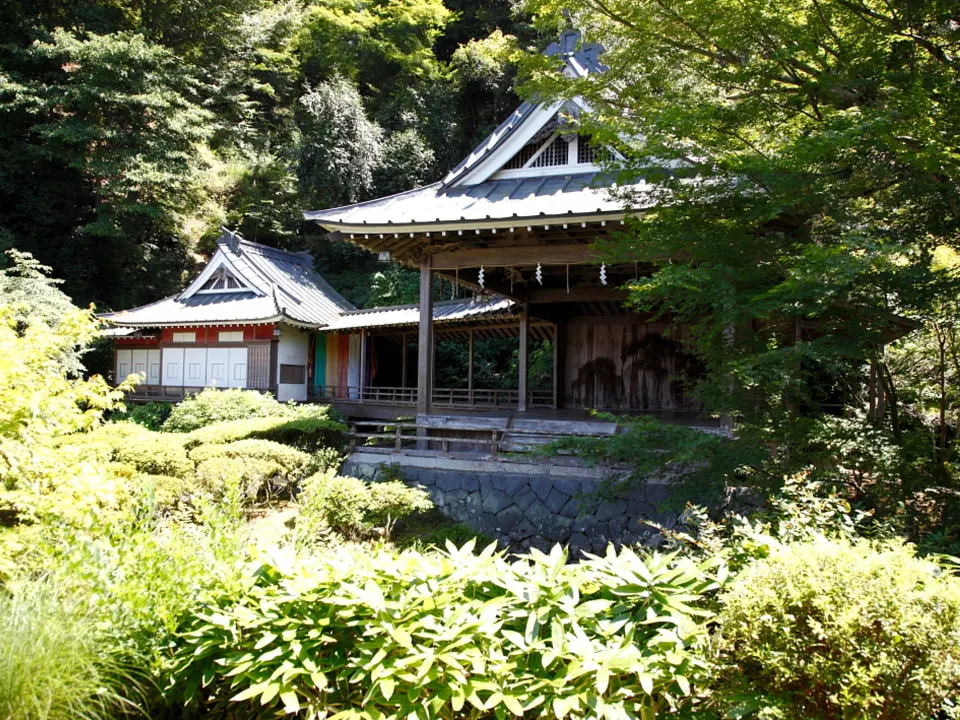
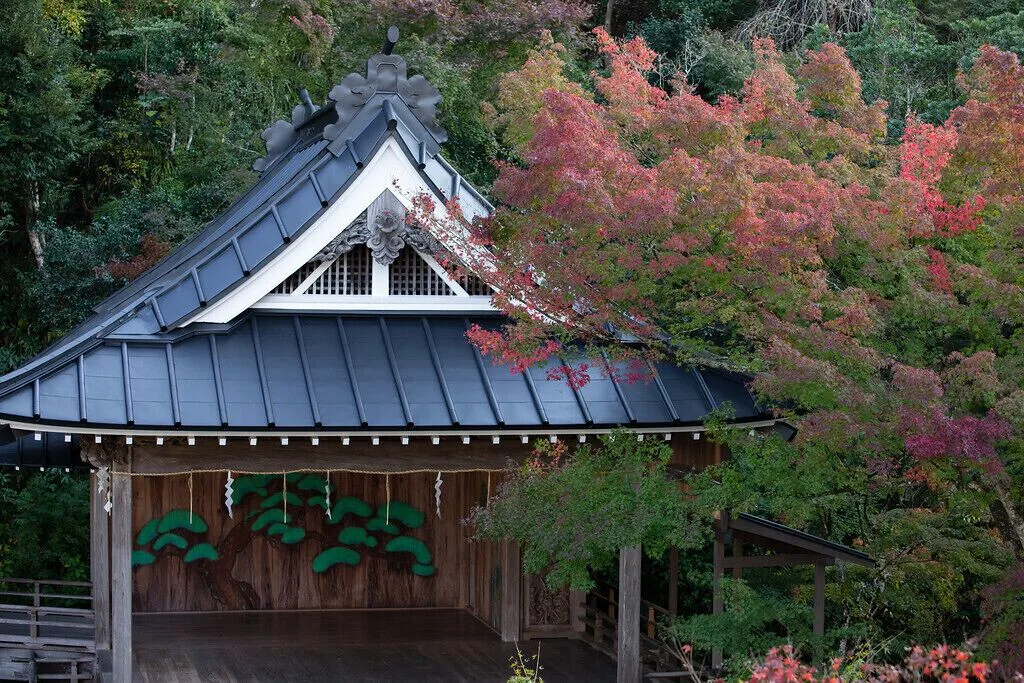
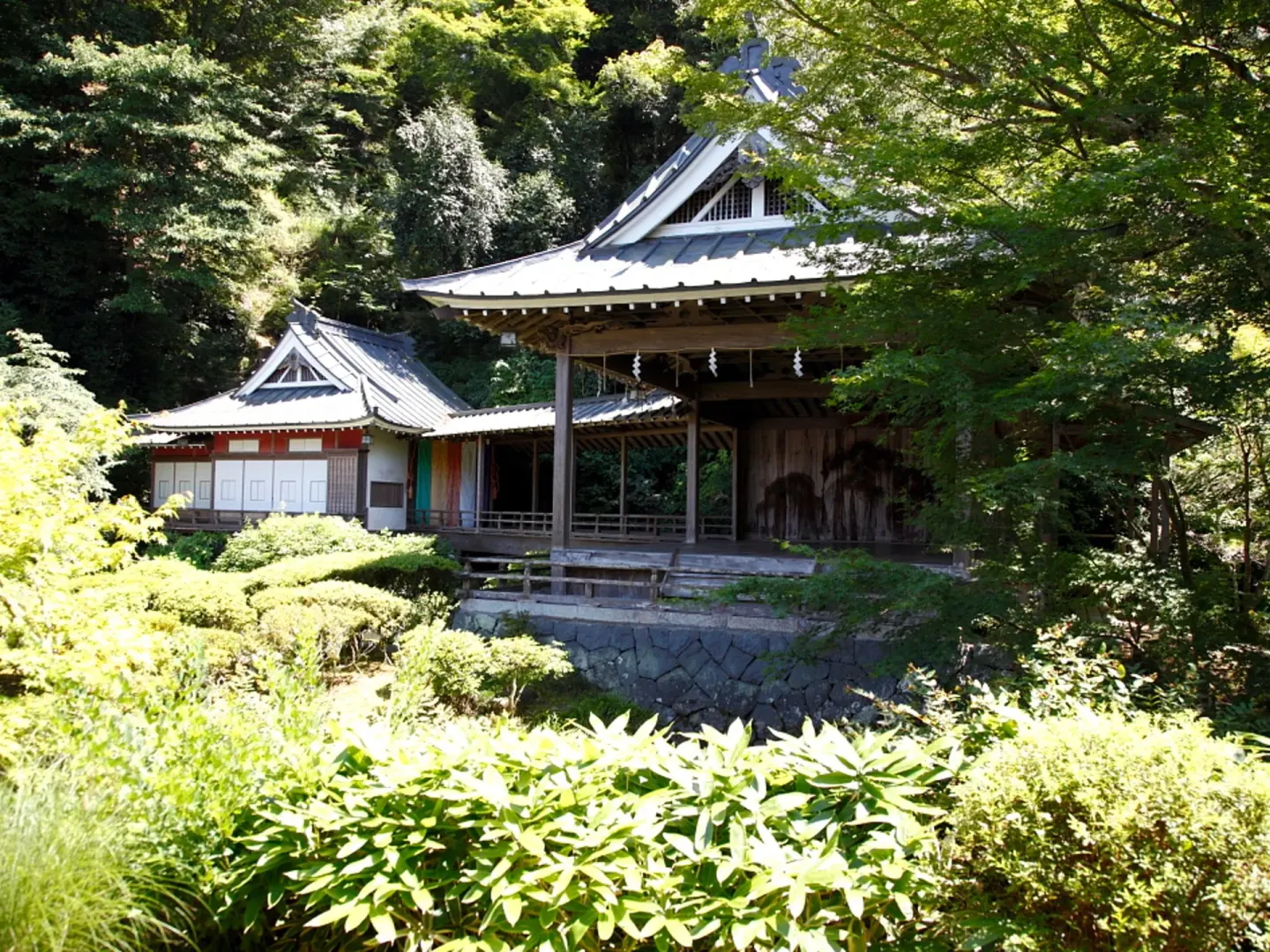
Asaba’s Gekkeiden is a historic Noh stage set on the central pond and is used for weddings and occasional performances. The stage and surrounding pond area are part of the ryokan grounds but can be seen from paths and vantage points near the hotel.
If you plan to view a performance or a wedding event on the stage, check with Asaba for event schedules or permission to approach the stage area.
- Gekkeiden: Noh stage on the pond relocated to Asaba by a previous generation
- Used for: Shinto and non-religious ceremonies and occasional Noh performances
- Viewing: stage is a focal point on the pond and makes a good photo subject
| Feature | Notes |
|---|---|
| Noh stage (Gekkeiden) | Historic stage on the water; used for weddings |
| Pond views | Accessible from ryokan corridors and public garden walkways |
| Event access | Check with Asaba for scheduled performances or ceremonies |
Practical walking tips and etiquette
Shoes: many temple areas and shrine approaches have short steps where you may remove shoes; comfortable walking shoes that are easy to take off help. Expect some narrow streets and areas where space is limited.
Onsen etiquette and children: communal onsen bathing requires nudity (no swimsuits). The main ryokan house welcomes children aged 7 and older; families with children under 7 should use Villa Tenko, the detached villa that accepts younger children.
- Arrive by 14:30 or later if you are checking in; half-board guests should arrive by 18:30 to receive dinner.
- Communal baths alternate access between men and women every few hours.
- Bring modest clothing for temple visits and be quiet on shrine/temple grounds.
| Topic | Quick note |
|---|---|
| Minimum guest age | Lead guest minimum age 18; main house accepts children 7+ |
| Onsen | Communal baths require nudity; private in-room tubs available |
| Arrival | Check-in begins 14:30; check-out before 11:30 |
Which rooms suit walkers and sightseers
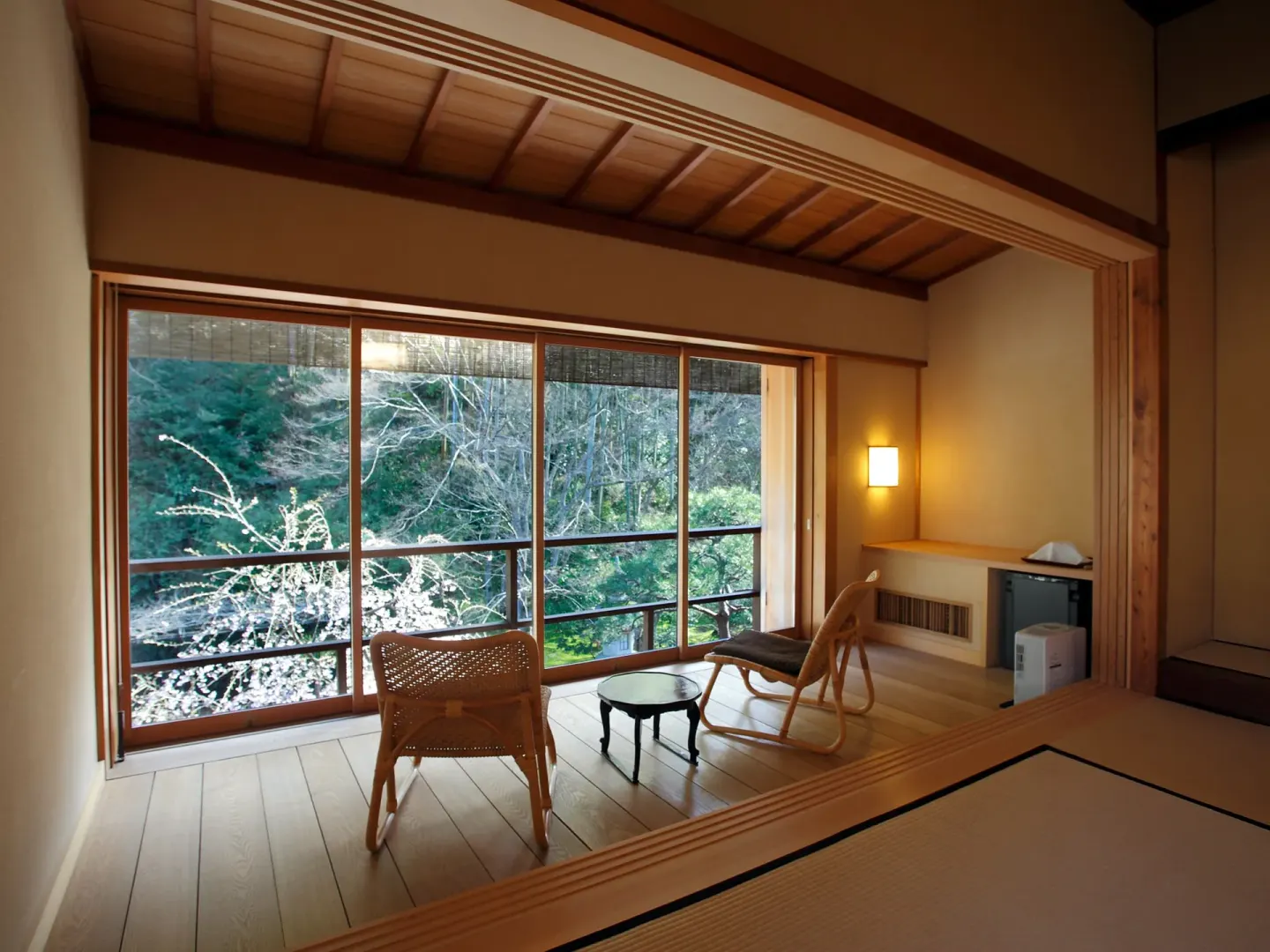
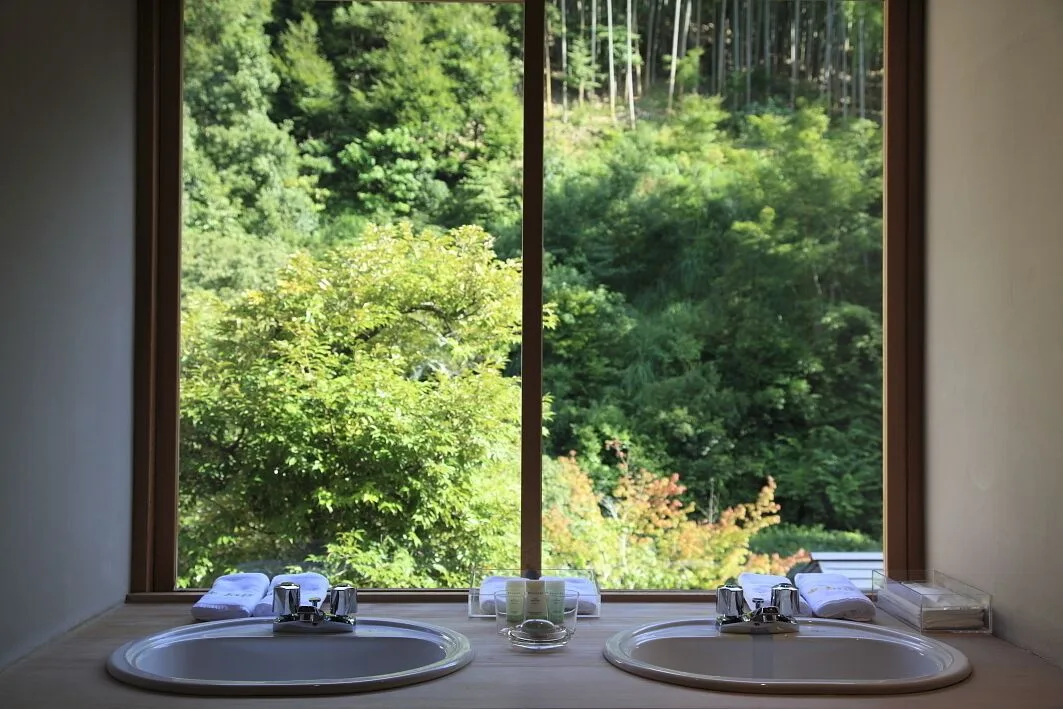
Choose a room with a garden or pond view if you plan short walks and want to return to quiet views from your room. The Yamabuki (Standard Tatami Room, Garden View) and Matsukaze (Superior Tatami Room, Pond View) are named rooms that face outdoor greenery or the pond.
For larger groups or those who want more living space after walks, suites such as Moegi (Suite, Traditional Tatami-style, Pond View) and Nadeshiko (Suite, Traditional Japanese Tamami and Western-style, Garden View) offer expanded tatami areas and seating.
- Yamabuki — Standard Tatami Room, Garden View: garden-facing seating areas are pleasant after a short walk
- Matsukaze — Superior Tatami Room, Pond View: pond views and direct sightlines toward the ryokan grounds
- Moegi, Nadeshiko, Dodan: suites or larger rooms for groups or extended relaxation
| Room name | View |
|---|---|
| Yamabuki | Garden View |
| Matsukaze | Pond View |
| Moegi | Pond View (suite) |