Is Asaba worth it? Honest pros and cons
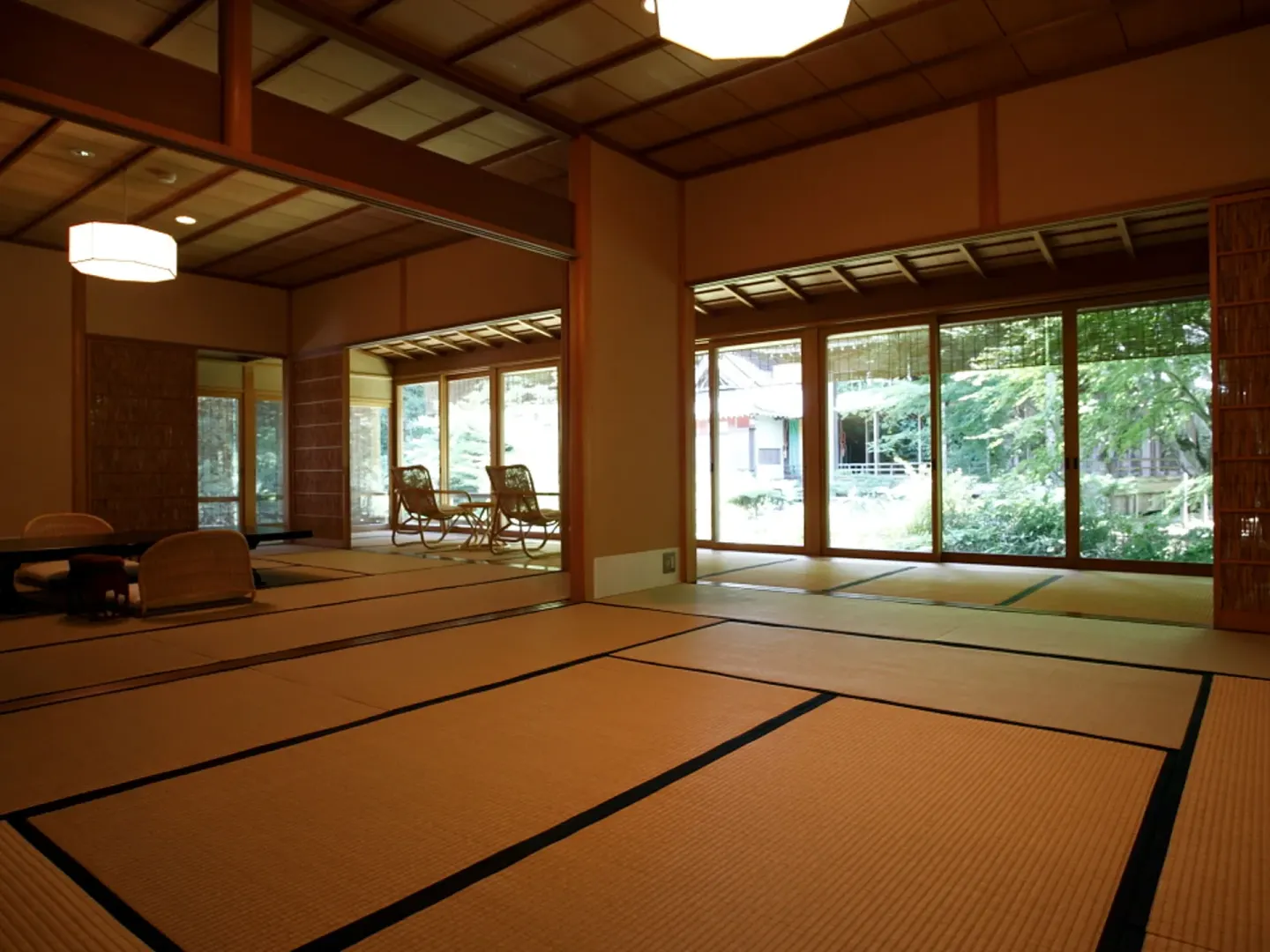
Yes — Asaba is worth it if you want a traditional, quiet ryokan experience with private in-room kaiseki dining, hot-spring bathing options (including in-room tubs) and easy walking access to Shuzenji’s temple, bamboo path and riverside sights. It’s less suitable if you need full accessibility, a public restaurant, or are travelling with children younger than 7 (those children are only accepted in Villa Tenko).
In this guide
What Asaba feels like
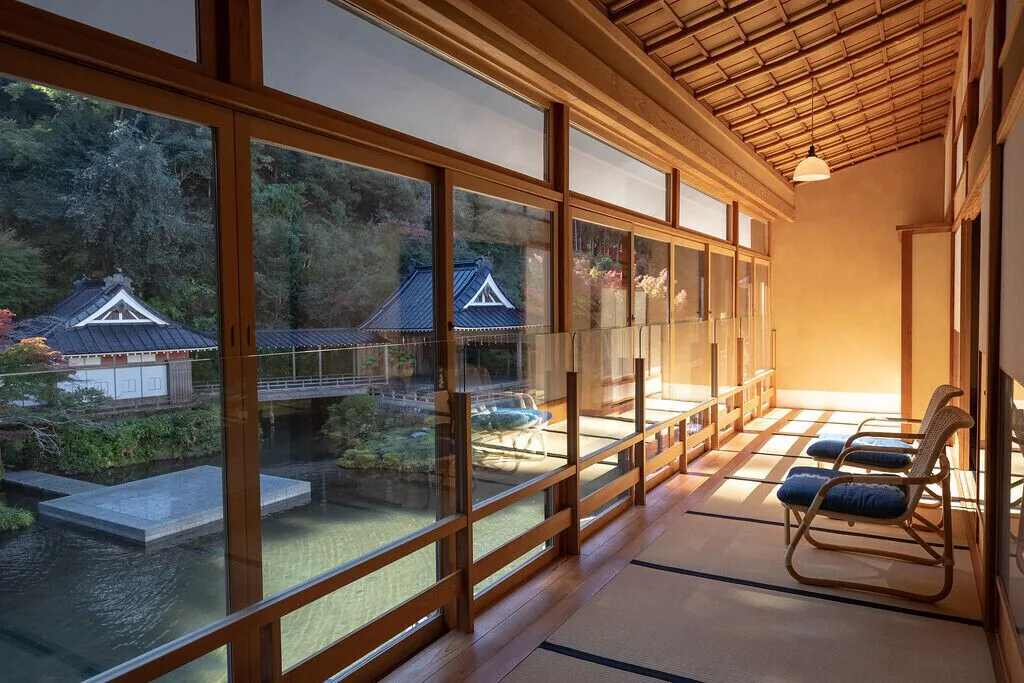
Asaba is a family-run ryokan on the Katsura River in Shuzenji, Izu, with a long recorded history and membership in Relais & Châteaux. The setting is focused on gardens, a central pond and traditional wooden architecture.
The property is intimate (various sources list between 11 and 17 rooms plus the detached Villa Tenko) and emphasises private, low-table tatami living rather than bright modern hotel public spaces.
- Traditional tatami rooms and suites
- Garden- and pond-facing public areas
- Large Noh stage (Gekkeiden) on the pond used for weddings and performances
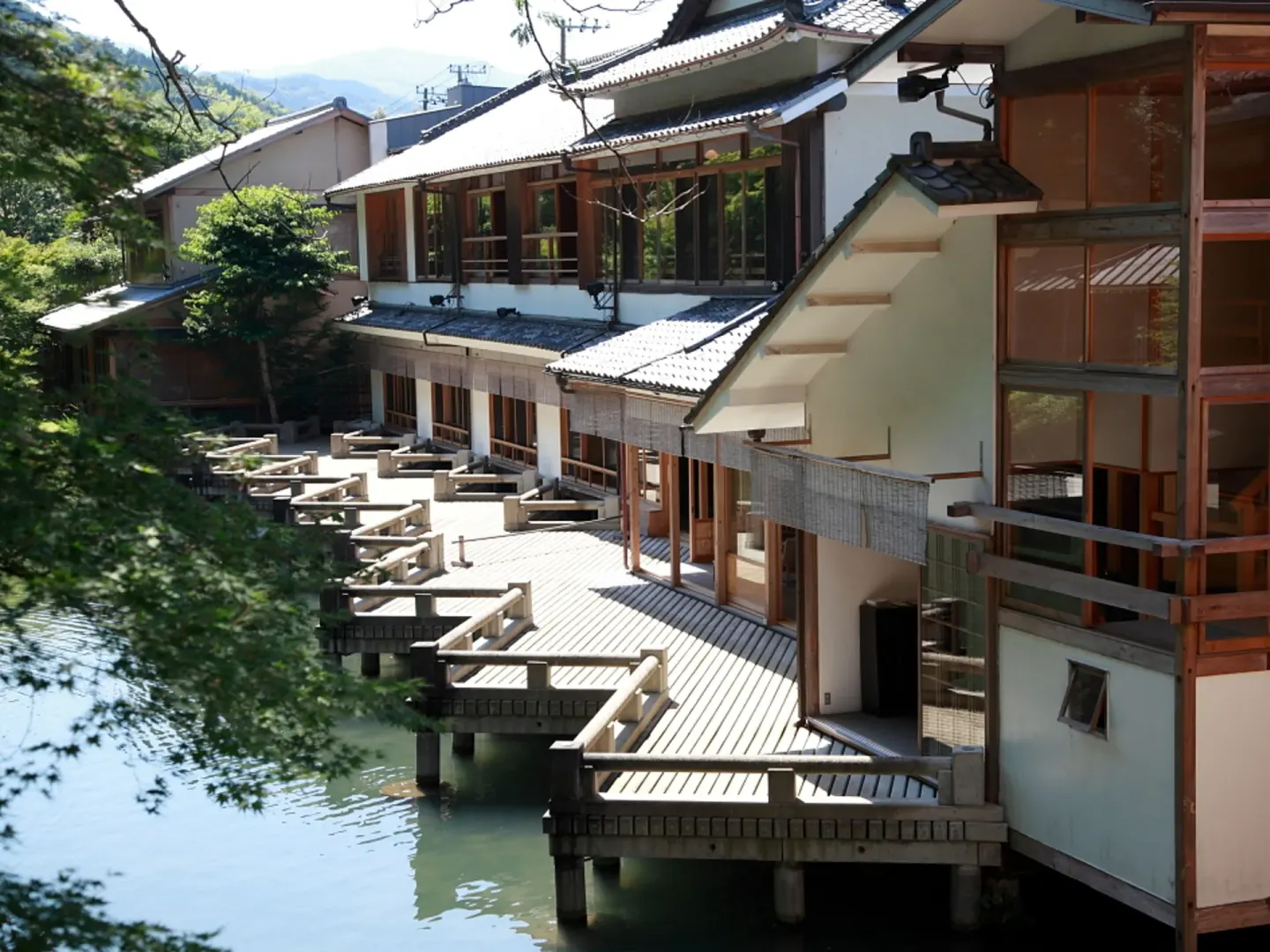
Rooms and sleeping options
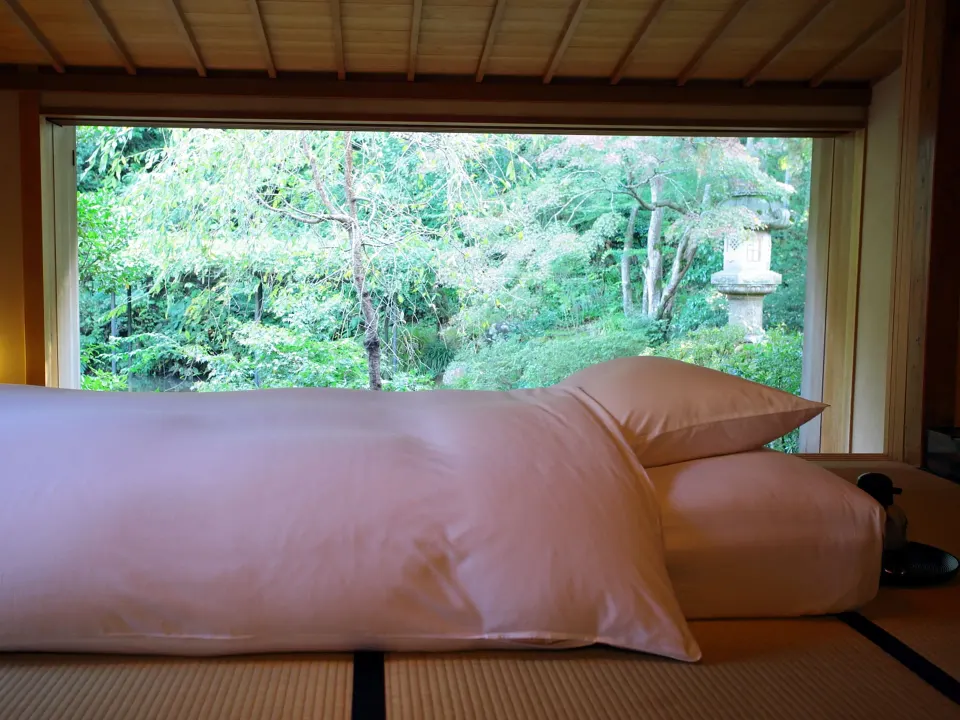
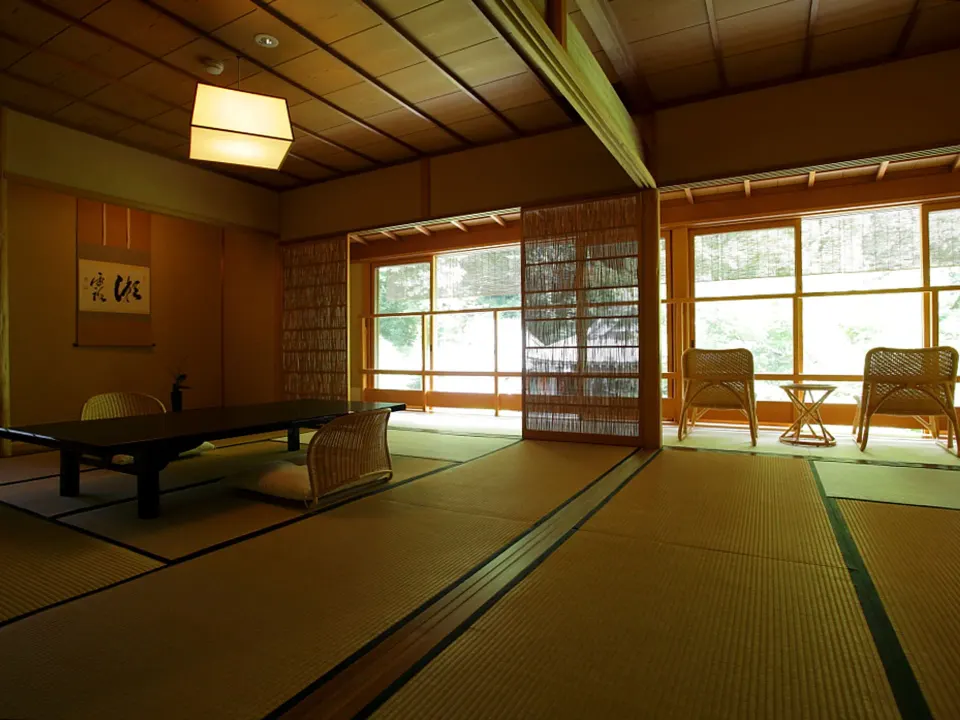
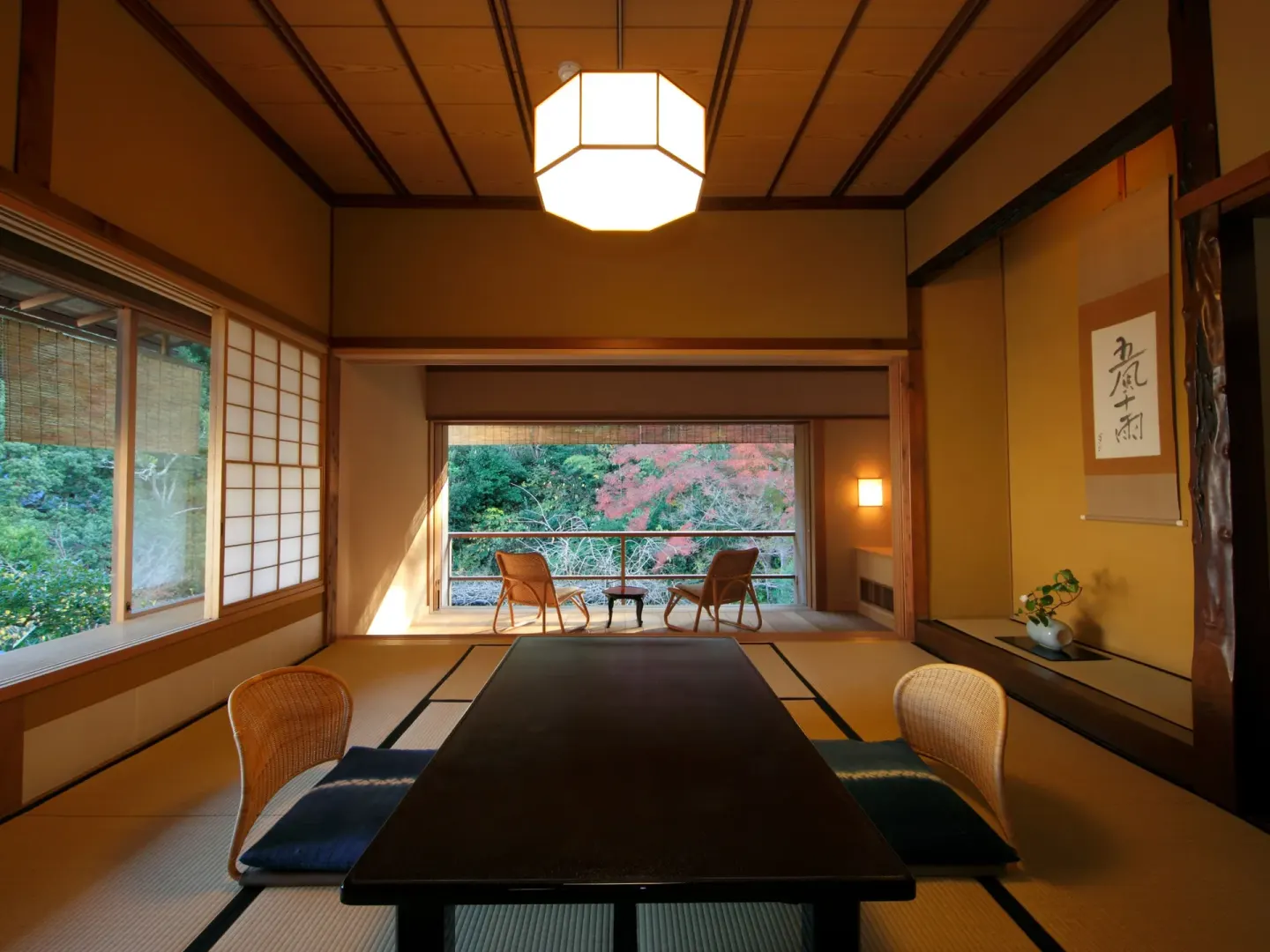
Rooms are traditional tatami style; some suites mix tatami with Western-style beds in larger layouts. Every room type is presented in ryokan style with low tables and private in-room hot-spring tubs supplied with piped alkaline Shuzenji water.
Specific room names listed for the property include Standard Tatami Room Yamabuki, Moegi, Ugetsu, Asagi, Nadeshiko, Dodan and Matsukaze.
- Standard Tatami Room, Garden View, Room name "Yamabuki"
- Standard Tatami Room, Pond View “OUT-BATH”
- Suite, Traditional Tatami-style, Pond View, Room name "Moegi"
- Suite Room with Tatami, Pond View, Room name "Ugetsu"
- Junior Suite Room, Traditional Tatami-style, Pond View, Room name "Asagi"
- Suite, Traditional Japanese Tamami and Western-style, Garden View, Room name "Nadeshiko"
- Deluxe Tatami Room, Garden View, Room name "Dodan"
- Superior Tatami Room, Pond View, Room name "Matsukaze"
| Room name | Notable detail |
|---|---|
| Yamabuki | Standard Tatami Room, Garden View |
| Nadeshiko | Suite with Western beds (2 Queen Beds + 2 Twin Futons), Garden View |
| Dodan | Deluxe Tatami, Garden View (2 Queen Beds + 2 Twin Futons) |
Baths, spa and bathing policy
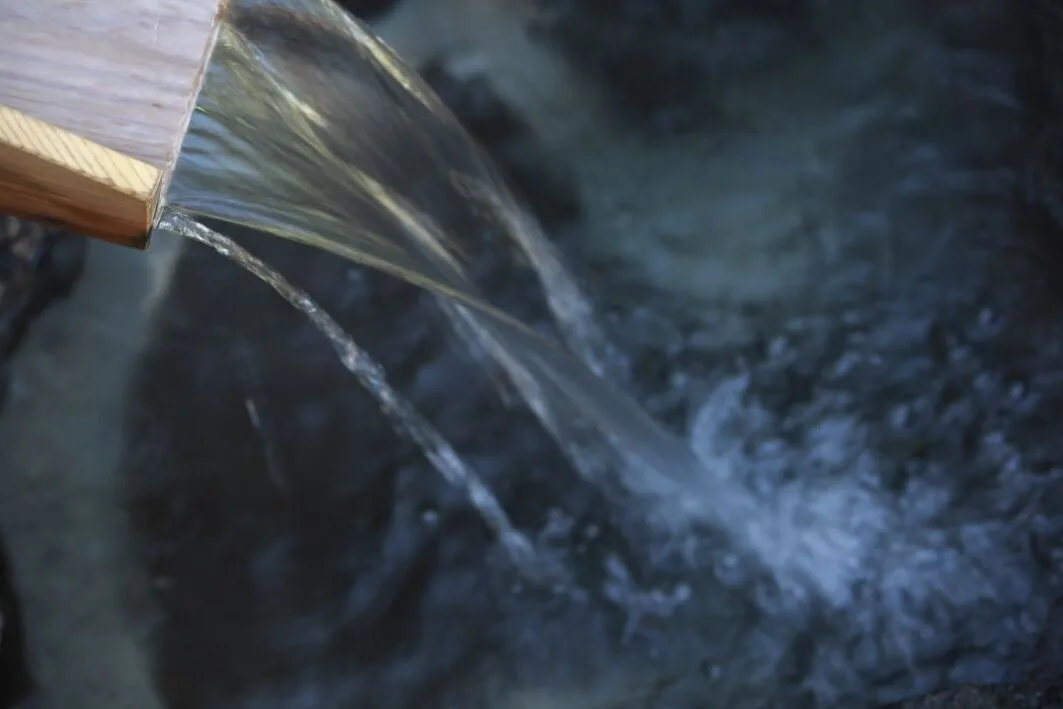
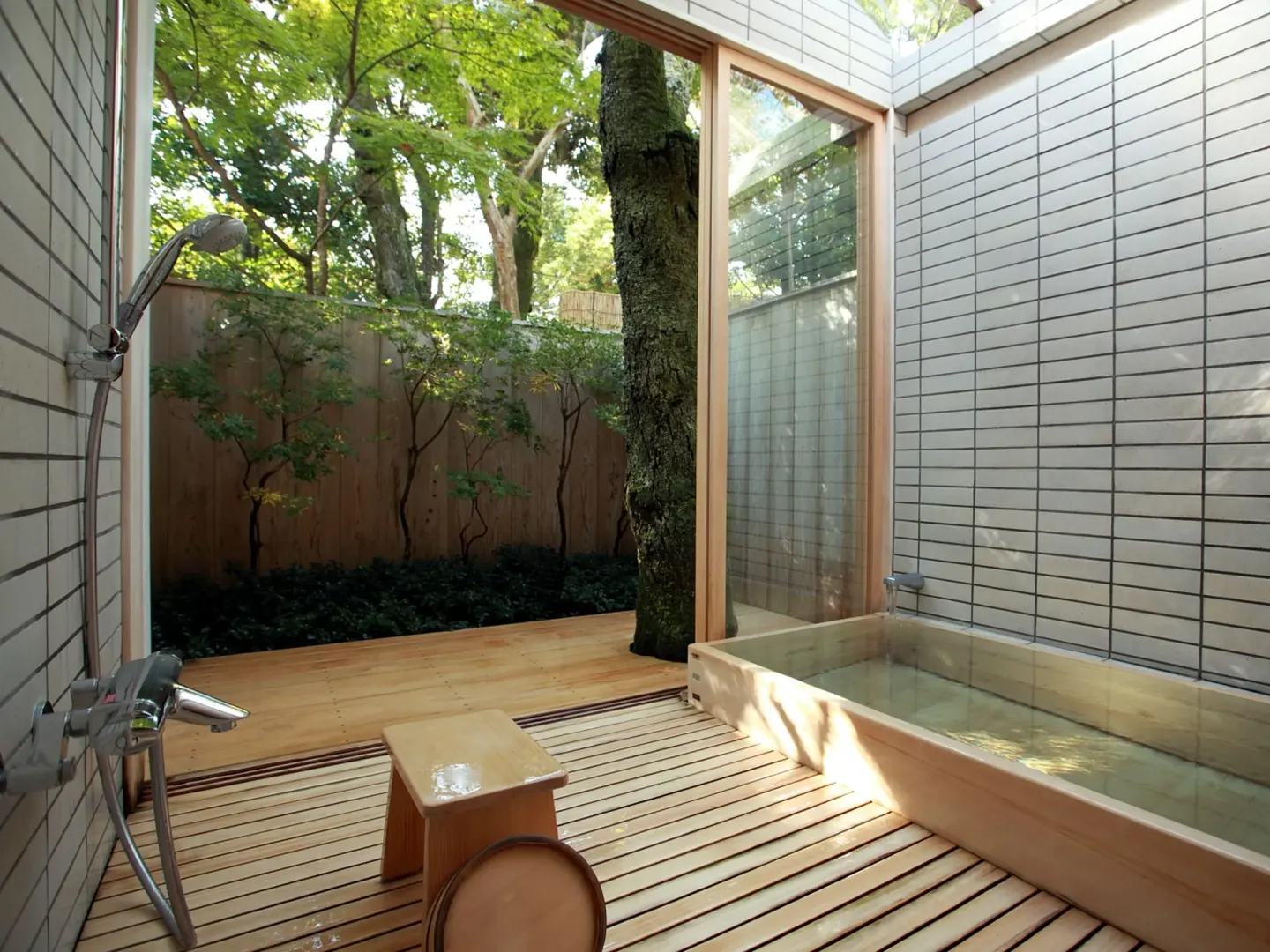
Asaba offers communal open-air and indoor hot-spring baths plus private in-room tubs filled with continuously-flowing kakenagashi alkaline Shuzenji spring water. The communal open-air onsen (Daiyokujo Onsen Rotenburo) alternates access between men and women every few hours.
Communal bathing follows Japanese onsen custom: nudity is required and swimsuits are not permitted. This can make communal bathing awkward for families with older children or teens who are uncomfortable with mixed-age nudity.
- Communal open-air onsen with alternating gender access
- Small indoor baths and private in-room tubs with piped alkaline spring water
- Hitotoki Spa (treatments on request; uses hot stones, shells, aromatic oils and SENSAI products)
Dining and Salon
Asaba does not have a stand-alone public restaurant; breakfast and kaiseki dinners are served privately in guest rooms at a low table in traditional ryokan style. Kaiseki is presented as a country-style multi-course meal built around Izu seafood, seasonal vegetables and local herbs.
The Salon is a first-floor lounge overlooking the garden and pond where guests can have coffee, tea and alcoholic drinks during set hours.
- In-Room Dining: Japanese Kaiseki Restaurant — breakfast and dinner served in-room
- Chef Makoto Sano leads the dining program; vegetarian requests can usually be handled with advance notice
- Salon offers complimentary coffee/tea and alcoholic beverages during opening hours
Who should (and shouldn’t) stay here
Good fit: couples, travellers who want a traditional ryokan experience, guests who value private in-room dining and onsen bathing, and visitors planning short stays to explore Shuzenji’s temple, bamboo path and nearby walks.
Less suitable: travellers who need wheelchair accessibility (wheelchairs are not available and the property is not noted as wheelchair accessible), families with children under 7 who want the main house experience, and visitors looking for a public restaurant, gym or pool.
- Recommended for ages 7 and up in the main house; Villa Tenko accepts younger children
- Not wheelchair-friendly per available information
- No swimming pool or fitness centre listed
Location and getting around
Address: 3450-1 Shuzenji, Izu, Shizuoka, 410-2416, Japan. The ryokan sits beside the Katsura River within short walking distance of Shuzenji Temple, Hie Shrine, the Bamboo Forest Path and nearby bridges.
Access options noted in sources include trains to Shuzenji Station (roughly 2 hours by limited express from Tokyo to Shuzenji Station) with a short taxi or bus ride to the ryokan. Asaba offers a fixed-rate taxi from Shuzenji and Mishima stations; a paid airport shuttle is also available on request.
- Bamboo Forest Path, Shuzenji Temple and Hie Shrine are within a 5-minute walk per the property information
- Asaba is roughly 2.5 km from Shuzenji Station (one source)
- Car recommended for wider peninsula exploration; bike rental is available on site
Practical points — bookings, policies and what to expect
Check-in begins at 14:30 and check-out is before 11:30; guests on half-board should check in by 18:30 to receive their included dinner. The lead guest must be at least 18 years old for the reservation, and children aged 7 and above are welcome in the main house.
Amenities include complimentary Wi‑Fi, free self-parking, the Salon, Hitotoki Spa (treatments on request), bicycle hire and optional paid airport/rail transfers. Pets are not allowed and the property is non-smoking.
- Check-in: from 14:30; latest check-ins are generally listed as 18:00 (some plans up to 18:30)
- Lead guest minimum age: 18 (per reservation rules); main house welcomes children aged 7+
- Free self-parking (listed capacity on some sources: 20 cars), free Wi‑Fi throughout